- Before applying, get clear on what your business needs
- My fuel-card application checklist
- What happens when you apply for a fuel card?
- I’d choose the provider before I start the paperwork
- When I’d look at WEX Motorpass
- Things I wouldn’t assume when applying for a fuel card
- What I’d do as soon as the cards are approved
If you’re wondering how to apply for a fuel card, the short answer is that it’s usually easier than people expect. The longer answer is that you’ll get a much better result if you do a little preparation before you fill out a form. I’ve seen people rush straight into an application because they’ve spotted a promotion, then realise later that they picked the wrong fuel card provider, ordered cards the wrong way or didn’t think through who was going to manage the account.
I wouldn’t make it harder than it needs to be, but I also wouldn’t treat it as a five-minute admin task. You’re setting up a payment tool for your business. It can affect your reporting, your drivers, your cash flow and the way you keep track of vehicle costs. Getting the basics right up front makes the rest much smoother.
In this guide, I’ll share what I’d get ready, how I’d compare the key options before applying, what normally happens after submission and the setup steps I’d do before handing the cards to anyone. I’ll also explain where Shell Card, FleetCard Classic and WEX Motorpass can be good options depending on the way your business works.
Before applying, get clear on what your business needs
The application itself is usually the easy bit. Choosing the right card is the thing that deserves a little thought. I’d start with a few practical questions:
- How many vehicles or drivers need cards?
- Where do they normally refuel?
- Do they work mostly around one area or all over the place?
- Do you need fuel only, or should the account cover selected vehicle expenses too?
- Who in the office is going to receive invoices and handle any unusual transactions?
You don’t need to have every detail nailed down, but I’d have a basic answer for each of those questions. It makes the application quicker and helps you avoid a card that looks good but doesn’t suit your actual day-to-day work.
If you’re still at the “is a fuel card even worth it?” stage, I suggest starting with our guide to the benefits that really matter or reading how to compare fuel-card options for a small fleet. If you already know you want one, keep reading and get your application pack together.
My fuel-card application checklist
Different providers ask for different things, so I wouldn’t assume every fuel-card application works exactly the same way. Still, there are a few details I’d have ready before I start. The more accurate your information is, the less likely you are to have to go back and fix something later.
| What I’d have ready | Why I’d have it ready |
| ABN and business details | Providers need to identify the business that is applying. I’d check the legal name, trading name, address and contact details before I start. |
| The right authorised person | The person applying may need authority to act for the business, especially for a company, trust or partnership. |
| Vehicle and driver information | You’ll want to know how many cards are needed, what they should be labelled with and who is responsible for each one. |
| Your normal fuel pattern | A rough idea of monthly spend, fuel type and regular routes helps you compare the right account and network. |
| Billing preference | I’d decide who gets statements, who pays the account and who should have access to update card settings. |
| Identity information if requested | Some providers may need to verify an authorised person. I’d follow the provider’s secure process rather than sending documents casually by email. |
If you’re applying as a sole trader, don’t assume you need a big fleet to get started. Plenty of cards are designed for smaller businesses. I’d still check current eligibility and payment options before applying. For a more focused walkthrough, have a look at our sole-trader fuel-card application guide.
And if you don’t have an ABN yet, I’d deal with that first. An ABN is an official business identifier, but it isn’t something you should apply for unless you’re entitled to one. The Australian Business Register’s ABN guidance is the right place to check the rules.
What happens when you apply for a fuel card?
This is where there can be a bit of confusion. An enquiry, an eligibility check and a formal provider application aren’t the same thing.
- An enquiry or comparison form is usually your chance to explain what your business needs.
- An eligibility check can help point you towards suitable options.
- The formal application is the provider’s own process for opening an account and confirming its current requirements.
If you start through our Fuel Card Comparison eligibility check, I’d use it to narrow down the right options. Once you’ve chosen a provider, read the live application instructions and make sure you understand the payment setup, card fees, any current offer terms and the details you’re being asked to accept.
| Stage | What I’d do |
| 1. Choose the card type | Decide whether a focused network, a broad multi-brand option, low fees, reporting or control features matter most. |
| 2. Prepare your information | Use the checklist above so business, driver and vehicle details are ready to go. |
| 3. Submit the application or enquiry | Use accurate information and make sure the applicant has authority to act for the business. |
| 4. Complete any verification | Respond through the provider’s secure process, read declarations carefully and ask questions if anything is unclear. |
| 5. Set up the account | Assign cards, set permitted use and explain the process to drivers before the first fill-up. |
I’d choose the provider before I start the paperwork
I know this sounds obvious, but it’s very easy to get distracted by a “apply now” button. I’d compare the product first, then apply. That doesn’t mean spending days on it. It means checking the things that will still matter once the first card arrives: accepted locations, regular fees, transaction conditions, card controls, reporting and payment terms.
When I’d look at Shell Card
I’d look at Shell Card if my drivers were mostly using the Shell and participating network already. It’s a really sensible option for a local business or smaller fleet that wants a simple account, strong controls and a good day-to-day driver experience.
What really stands out for me is the Smart Alerts in the Shell Card Portal. You can set alerts around things like unusual spend, fuel volume or multiple transactions in a short period, so you can spot something early instead of finding it weeks later in an invoice. The app and portal also make it easier to manage cards, check transactions and keep drivers moving without a lot of back-and-forth with the office.
Save 7c/l + $0 card fees in promo period

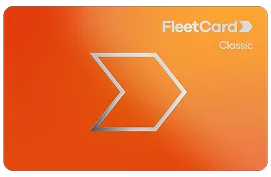
When I’d look at FleetCard
I’d look at FleetCard when the team needs broad fuel acceptance across different brands or different regions.
It’s a strong option for businesses that don’t want drivers planning their day around one fuel network, especially once the fleet starts growing or routes become less predictable.
I also like FleetCard for businesses that want a clearer view of total vehicle spend. Depending on the account and merchant, you can bring selected costs such as fuel, servicing, tyres, repairs or windscreens into the same account. That can mean fewer invoices, less receipt chasing and a much easier month-end for the office team.
Save up to 6c per litre on fuel for your business
When I’d look at WEX Motorpass
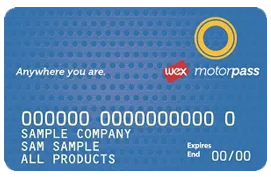
I’d look at WEX Motorpass if flexibility is high on the list. It’s worth comparing for businesses with drivers moving between metro and regional locations, especially when they need to stop where it makes sense on the day rather than hunt down one particular brand.
Save 1c on all fuel
If you want a side-by-side overview before applying, I suggest reading our business fuel-card comparison. It’s a good way to get your shortlist down before you hand over any information.
Things I wouldn’t assume when applying for a fuel card
- I’d never assume an application is automatically approved, that every business gets the same payment terms or that the provider’s current process will be identical to what someone told you last year. Fuel cards are business accounts, and providers set their own criteria. If there’s a question about eligibility, payment, verification or credit checking, I suggest asking the provider directly before you submit the final application.
- The same goes for timing. Some accounts are quick to set up. Others need more information or a different arrangement. I’d avoid promising a driver a card by Friday until the provider has confirmed the actual next steps. It’s a small thing, but it saves frustration.
- And finally, I wouldn’t assume the card automatically makes bookkeeping or tax perfect. It can give you much cleaner records, which is great, but the business still needs to manage its own tax obligations and keep the right records. If you need advice on GST, deductions or fuel tax credits, I’d speak with your registered tax adviser or check the ATO’s business fuel tax credit information.
What I’d do as soon as the cards are approved
This is the bit I think too many people skip. The cards arrive, everyone’s busy, and they get handed out without a quick setup. Then, a month later, the statement arrives and the office is trying to work out who has what. I’d spend a few minutes getting the basics right before the first transaction.
- Match every card to the right vehicle, driver or documented shared purpose.
- Set purchase categories and limits where your chosen provider makes those controls available.
- Give drivers a short, plain-English instruction on using the card, entering required details and reporting a lost card.
- Nominate one person to receive invoices and one backup person who can act if a card is lost or a transaction needs checking.
- Review the first statement carefully. I’d use it to fix allocation errors, spot network gaps and make sure everyone understands the process.
If you’re setting up a larger team, I’d also read our fleet petrol-card guide once it’s live. It goes deeper into card assignment, controls and exception reporting without turning the whole thing into a compliance project.
My final take
Applying for a fuel card doesn’t have to be a big job. I’d just make sure I know what I need before I start: a card that works on my routes, a sensible number of cards, a clear person to manage the account and a setup that won’t create more admin than it removes.
Shell Card can be a good option if the network already suits your day-to-day work. FleetCard can be a strong contender if broad acceptance and one place for fleet spending matter. WEX Motorpass can be worth a serious look when your vehicles need to refuel flexibly and you value detailed reporting. Once you know what you need, I suggest using the Fuel Card Comparison eligibility check to take the next step.
Find out which fuel card suits your fleet
FAQs
What do I need to apply for a fuel card?
I’d have your ABN, current business details, the right authorised person, basic vehicle or driver information and your billing preference ready. The exact provider requirements can vary.
Can a sole trader apply for a fuel card?
Yes, many providers have options for sole traders. I suggest checking each provider’s current criteria and payment arrangements before applying.
Does an eligibility check mean I’m approved?
Not necessarily. It can help identify suitable options, but the issuing provider completes its own application and assessment process.
How long does a fuel-card application take?
It varies. I’d ask the chosen provider about its current timeframe and respond quickly if it asks for more information.
Can I apply for a fuel card for personal use?
No unfortunately not. In Australia. fuel cards are exclusively for business with ABNs.
Quick note: Fuel-card promotions, fees, accepted locations, available controls, payment terms and eligibility requirements can change. I always suggest checking the provider’s latest terms before you apply or make a decision.