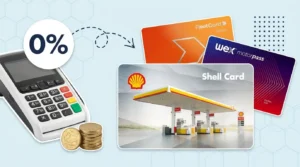
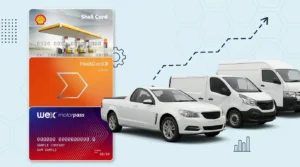
Choosing a business fuel card in Australia really comes down to three things:
- Where your vehicles refuel
- How much you’re spending each month
- Whether you care more about flexibility, rewards or controls
I would say Shell Card, WEX Motorpass and FleetCard are solid starting points for most fleets, with BP Plus, AmpolCard and 7‑Eleven adding extra options if you’re loyal to a particular brand or chasing specific rewards.
Fuel is one of the biggest ongoing costs for Australian businesses, so the “right” card isn’t just the one with the biggest advertised discount but the one that matches your network, admin processes, and growth plans.
Some cards are built for multi‑brand access across 6,000+ sites, others reward you for sticking with a single network via Flybuys, Qantas Business Rewards or Everyday Rewards.
In this guide, I’ll walk through the key benefits, compare the major cards, and share the types of businesses I’d match each card to, so you can make a confident choice without needing to become a fuel‑card expert (that’s my job).
Find out which fuel card suits your fleet
TLDR: The Best Fuel Card for Australian Businesses in 2026
Best for smart controls and spend alerts: Shell Card
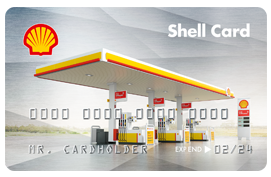
If tight control over driver spending is a priority, Shell Card stands out for its smart alerts and card‑level controls inside the Shell Card Portal. I like that you can set limits per card (for example, maximum litres per fill, number of transactions per day or total spend per period), and get real‑time email alerts if something looks off – such as a transaction above the vehicle’s tank capacity or multiple fills in a short window. Combined with chip‑and‑PIN security and instant blocking, it gives you a lot of peace of mind if you’re worried about misuse or fraud across multiple drivers.
Save 7c/l + $0 card fees in promo period
Best for flexibility and coverage: WEX
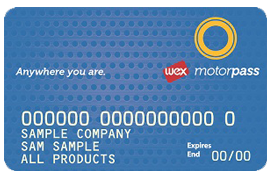
If your vehicles are constantly on the road and you can’t afford to detour just to find “the right” servo, I tend to point people to WEX Motorpass first. WEX Motorpass is accepted at roughly 93% of fuel sites plus thousands of service and repair outlets.
Save 1c on all fuel
Best for multi-brand coverage with rewards: FleetCard Rewards+
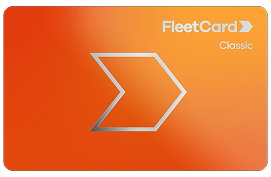
If your fleet refuels across multiple brands and your business already flies Virgin Australia, FleetCard Rewards+ is worth a serious look. It’s accepted at 6,100+ stations nationally, the same broad coverage as WEX, but with 1 Velocity Point earned per litre of eligible fuel on top. New customers can earn up to 110,000 bonus Velocity Points in the first year based on fuel volume. At $4.99/card/month ongoing it’s actually cheaper than Classic’s standard rate, and it comes with consolidated invoicing, card-level spend controls, and optional Xero integration.
Save up to 6c per litre on fuel for your business
Best for loyalty rewards: FleetCard, BP, Ampol or Shell
If your business is already invested in points, I usually narrow it down to FleetCard Rewards+ (Velocity), Shell Card (Flybuys), BP Plus (Qantas Business Rewards) and AmpolCard (Everyday Rewards). These cards suit owners who like turning unavoidable fuel spend into flights, supermarket discounts or gift cards, even if the raw cents‑per‑litre saving isn’t always the very highest on the market.
Save up to 2c/l.
Best for diesel‑heavy fleets: AmpolCard
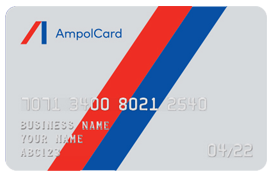
For diesel‑heavy transport and logistics fleets, AmpolCard is regularly on my shortlist thanks to its diesel‑focused discounts, truck‑friendly network and Everyday Rewards earning on fuel. It’s a strong fit if your trucks are already fuelling at Ampol sites and you want to standardise on one brand rather than spread your volume across multiple networks.
200+ Ampol National Truck Stops
Best for new or smaller businesses: 7-Eleven
At the smaller end of town, I often see 7‑Eleven Fuel Card and Shell Card work well. 7‑Eleven stands out for simple terms and low or waived fees on some tiers, while Shell Card doesn’t require a big fleet or long trading history and keeps its monthly card fee at the lower end of the market.
Comparison of Popular Business Fuel Cards in Australia
| Fuel Card | Network | Typical Discount | Ongoing Card Fee | Rewards |
| FleetCard 🔥 | 6,200+ stations (multi-brand, nationwide) | Up to 3c ongoing, up to 6c promo | $5.99 | None |
| Shell Card 🔥 | 1,500 Shell sites | 2–4c ongoing, up to 7c promo | $2.50 | Flybuys |
| WEX Motorpass 🔥 | 6,000+ stations | Depends on fleet size (starts at 1c off p/l) – 5c off with 6 month promo | $5.99 | None |
| BP Plus | 1,400 BP sites | Up to 3c ongoing | $2.95–$4.95 | Qantas Business Rewards |
| AmpolCard | 2,000 Ampol sites | Up to 4c ongoing | $2.95 | Everyday Rewards |
| 7-Eleven Fuel Card | 640+ stations | Up to 4 c ongoing, 6–10c promo | $0–$2.50 | None |
Fuel discounts, fees and eligibility criteria change regularly and can vary based on your business profile, location and monthly fuel volume. For the latest pricing, terms and promotional offers, always refer to each provider’s official website before applying.
What Are the Benefits of Business Fuel Cards?
Business fuel cards are payment cards for company vehicles that your drivers use instead of cash or personal credit cards, with all transactions billed back to a single business account. This can help you:
-
Save on fuel with consistent cents‑per‑litre discounts and occasional promo offers.
-
Reduce admin by replacing piles of receipts with GST‑compliant monthly invoices you can plug straight into your accounting software.
-
Control driver spending using card‑level limits, PINs and alerts so you can spot unusual transactions quickly.
-
Tap into loyalty programs or business rewards (like frequent flyer points or supermarket rewards) on top of your fuel savings.
Even with a small fleet, I find the time saved on reimbursements, receipt‑chasing and manual data entry often more than covers the monthly card fees.
5 Things to Consider When Choosing a Business Fuel Card
-
Station network: I always sugges starting with a map of where your drivers actually go. Multi‑brand cards like FleetCard and WEX Motorpass cover 6,000+ sites nationwide, while single‑brand cards (Shell, BP, Ampol, 7‑Eleven) work best if you already favour their networks.
-
Discounts: Check whether the discounts are ongoing or promo‑only. A steady 2–4c per litre year‑round often beats a big 6–8c promo that only lasts a few months.
-
Monthly fees: Most business fuel cards charge between $2.50 and $5.99 per card, so we like to sanity‑check that your expected fuel savings and admin time saved comfortably outweigh those fees.
-
Rewards: If you fly regularly or love loyalty programs, cards like BP Plus (Qantas Business Rewards), Shell Card (Flybuys) and AmpolCard (Everyday Rewards) can add extra value beyond simple cents‑per‑litre savings.
-
Admin tools: Personally, I think tight integration with Xero or MYOB is a big win; Shell Card, for example, now connects directly to both, which can take a big bite out of month‑end reconciliation time.
How Much Could Your Business Save with a Fuel Card?
Example: A fleet of 5 vehicles, each using 2,250L per year (11,250L total).
- 2c discount = $225 saved annually.
- 4c discount = $450 saved annually.
- 6c discount = $675 saved annually.
For 10 vehicles, those savings double. Add in loyalty rewards and reduced admin time, and the total value is much higher.
Case Study
(Name changed for privacy)
Mark runs a small Sydney metro electrical business with three vans on the road. Each van covers about 25,000 km a year, which means a lot of fuel receipts and admin at tax time.
Before switching to Shell Card, Mark used personal credit cards and had to reimburse his staff weekly. This created messy paperwork and slowed down invoicing. Since moving to Shell Card:
- He saves about $400 a year across the fleet from Shell’s fuel discounts.
- His team earns Flybuys points on every litre, which he redeems for gift cards.
- He cut down bookkeeping hours, because Shell Card invoices feed directly into Xero.
- Spending controls let him set each van to “fuel-only,” reducing the risk of off-business purchases.
For Mark, the savings are valuable, but the real benefit is the admin time saved. He says the card “pays for itself” by eliminating reimbursements and simplifying GST claims.
Final Take
If I boil it down, there isn’t one universal “best” business fuel card in Australia – there’s a best fit based on how your vehicles work in the real world. I’d start by asking three questions: do you fuel at lots of different brands, do you care about points, and how many vehicles or drivers are you managing?
-
If you want maximum flexibility and don’t mind paying a bit more per card, a multi‑brand option like FleetCard or WEX Motorpass usually delivers the easiest nationwide coverage.
-
If your team already sticks to Shell, BP or Ampol and you like the idea of rewards, a single‑brand card tied to Flybuys, Qantas Business Rewards or Everyday Rewards can make a lot of sense.
-
If you’re small and just getting started, I’d focus on low fees, straightforward terms, and integration with your accounting software rather than chasing every last cent of discount.
Once you’ve answered those questions, the next step is to run your own numbers using your last three months of fuel spend so you can see, in dollars, which card will actually leave your business better off—before you sign on the dotted line
Find out which fuel card suits your fleet
Business Fuel Cards Australia FAQs
Which fuel card has the biggest station network?
FleetCard and WEX Motorpass cover more than 6,000 stations each.
Which card offers the best rewards?
BP Plus offers Qantas Business Rewards, Shell Card offers Flybuys, and AmpolCard offers Everyday Rewards.
Do fuel cards have hidden fees?
Most charge monthly fees per card. Some also charge transaction fees when used outside their network.
Can sole traders apply for a business fuel card?
Yes. Some providers (like Shell, for example) allow sole traders to apply without needing a large fleet.