If you’re managing more than a handful of vehicles, a fleet petrol card is a business essential. When you’re no longer chasing fuel receipts, trying to work out who used the company card or wondering why one ute seems to be filling up twice as often as the others, you’ll notice the difference pretty quickly.
I’ve looked at a lot of fuel card setups, and the same mistake comes up again and again: businesses treat the card as the whole solution. It isn’t. The card is the tool. The real win comes from setting it up in a way that matches your vehicles, your drivers, your routes and your own internal rules.
So this isn’t going to be another “pick the biggest discount and you’re done” article. I’m going to show you how I’d set up a fleet petrol card for a growing light-vehicle fleet, what I’d want to see in the reporting, and where Shell Card, FleetCard and WEX Motorpass are the best fit.
First, get clear on what problem you’re trying to solve
Before I even start comparing fleet petrol cards, I’d ask what’s currently annoying the business.
- Is it the receipt chasing?
- Is it drivers using personal cards then waiting to be reimbursed?
- Is it a lack of visibility over fuel use?
- Is it the fact that everyone is supposed to use one network but half the team ignores the rule because it doesn’t work on their route?
I’d write down the top two or three problems, because those should drive the card setup. If your biggest issue is an admin pile-up, a clear monthly statement and good account access might matter most. If your biggest issue is vehicles travelling all over the place, network coverage and a driver app might matter more. If you’ve had questionable purchases, card-level controls and a simple exception process should be high on the list.
That’s also why I don’t recommend copying another company’s setup. A plumbing business with nine vans around one city has different needs to a property-maintenance team that moves across regional towns.
Would I assign the card to the vehicle or the driver?
This is one of the first decisions I’d make. I’ve found that businesses often choose whatever feels easiest at the time, then spend too much time trying to untangle the data later.
If the same vehicle is driven by different people across shifts, I’d usually lean towards a vehicle-assigned card. It makes the fuel cost follow the van, ute or car, which is what you normally want when you’re keeping an eye on running costs. If the same employee moves between pool vehicles or uses their own vehicle for work, a driver-assigned card may be more useful. And if your fleet has a high-risk or high-value setup, a card tied to both a driver and a vehicle can be worth considering.
| What your fleet looks like | What I’d consider |
| The same van gets used by several drivers | A vehicle-assigned card, with a clear handover process so the card stays with the right vehicle. |
| One driver uses different vehicles | A driver-assigned card, provided you can still capture the vehicle used for reporting. |
| Named drivers use the same assigned vehicles | A driver-and-vehicle setup if the provider supports it and the extra control is worth the admin. |
| You need an emergency spare | One tightly controlled pooled card with a custodian, a sign-out process and every purchase reviewed. |
I’d avoid a vague “spare card in the office drawer” arrangement. It sounds harmless until nobody can remember who took it, where it was used or why the last few transactions don’t line up with anything.
I’d write a simple fuel-card policy before I hand anything out
You don’t need a 20-page policy for this. In fact, I’d suggest the opposite. Your drivers should be able to understand it in a couple of minutes. The best fuel-card policy is one people can actually follow on a busy day.
Mine would cover who can use the card, what they can buy, what information they need to enter, what to do if a card is lost and who they call when something goes wrong. I’d also make it clear what happens when a transaction looks unusual. Not because I assume someone’s doing the wrong thing, but because a consistent process protects both the business and the driver.
- Who is allowed to use each card, and whether it follows a person, vehicle or both.
- Whether the card is fuel only, or whether approved things like oil, car washes or servicing can be included where available.
- What drivers should do if they get a declined transaction, lose a card or need to refuel outside normal hours.
- Who receives the statements and who follows up unusual activity.
- How you’ll deal with a change in vehicle, driver, role or employment status.
I’d talk the team through it rather than just emailing a policy and hoping for the best. A quick ten-minute briefing when cards are issued saves a lot of confusion later. Show them the card, explain what the business is trying to achieve and make it clear that the goal is less admin, not more hoops to jump through.
The five controls I’d set first
Every provider has slightly different tools, so I always suggest confirming what the account can do before you promise your managers a particular setting. Still, these are the five things I’d ask about first.
1. Keep purchase categories tight at the start
I’d start with the narrowest sensible purchase scope. For many fleets, that means fuel only. If some roles need to buy oil, wash a vehicle or pay for an approved service, you can consider allowing those categories where the card supports it. I wouldn’t leave everything open just because it feels more convenient. You can always add a category later.
2. Make limits fit the vehicle, not your gut feel
A good limit is based on the tank size, the type of work, the usual route and the operating hours. I wouldn’t just put a round dollar figure on every card and call it done. A small hatchback used for local appointments doesn’t need the same setting as a heavily loaded work van doing long regional runs. Start with a reasonable number, then review the first month’s activity and adjust it with a reason.
3. Use alerts as a prompt, not a verdict
A double fill-up, an out-of-hours transaction or a purchase that looks higher than expected can be a red flag. It can also have a perfectly normal explanation: a relief driver, a late job, a change of route, a data-entry issue or a mechanical problem. I suggest treating an alert as a question first. Check the facts, talk to the right person and record what happened. That’s much better than accusing someone because a report looked odd.
4. Make lost-card action really easy
I’d make sure at least two people know how to block or update a card, especially if your business works outside office hours. A portal or app, like the Shell Card app that lets you act quickly can be a big plus. More importantly, the driver should know exactly who to call and what to do. There’s no point having a great security feature if the card sits lost in a shopping-centre car park for a day because nobody knows the process.
5. Decide what data you’ll actually use
If you’re planning to track litres per 100 kilometres or cost per kilometre, you need decent distance data. That could come from odometer readings, telematics or a reliable monthly vehicle record.
How I’d handle unusual transactions
The best fleet managers I’ve seen don’t use fuel data to catch people out. They use it to understand what’s happening. A good exception process makes drivers feel like the business is being fair, while still making it clear that fuel spend is being looked after.
| What shows up in the report | What I’d check before jumping to conclusions |
| More litres than the vehicle should usually take | Check the registered vehicle, tank size, timestamps and whether there was a split or duplicate transaction. |
| Two purchases close together | Look at the roster, driver change, job details and whether a shared vehicle was involved. |
| An out-of-hours transaction | Check for an emergency job, travel requirement or after-hours roster before treating it as a problem. |
| A purchase outside the normal work area | Check customer location, route changes and whether there were nearby accepting stations. |
| A non-fuel item | Look at the item detail and your card settings. It could be permitted, a merchant coding issue or something that needs a conversation. |
I’d put one person in charge of closing out exceptions, even if several people can see the reports. Without an owner, the inbox fills up and everyone assumes someone else is dealing with it. I’d also set a realistic timeframe. Two business days for a material exception is usually better than a promise of “immediate” action that nobody can meet.
Where Shell Card, FleetCard and WEX Win
Shell Card
Best for: smart alerts and easy day-to-day control
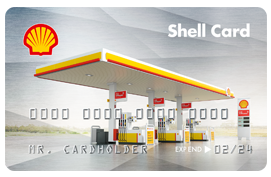
If alerts and app-based convenience are high on your list, I’d look at Shell Card first.
I’ve compared plenty of fuel-card control features, and Shell’s Smart Alerts are one of the biggest reasons it stands out. Instead of waiting until the end of the month to notice something odd in a statement, you can set alerts around the things that actually matter: a purchase over a certain dollar amount, more litres than a vehicle should normally take, or multiple transactions in a short space of time.
The Shell Card Portal makes the admin side easier too. You can view transactions, manage cards, change limits, reset PINs and deal with lost or stolen cards without having to chase someone on the phone. For a busy owner or fleet manager, that’s a big deal.
Save 7c/l + $0 card fees in promo period
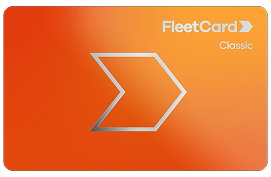
FleetCard
Best for: coverage and consolidation
If I’m looking after a business with drivers spread across different suburbs, states or regional areas, FleetCard is usually one of the first cards I’d put on the shortlist.
Its biggest strength is coverage. FleetCard is accepted at more than 6,100 fuel sites across Australia, including major brands and independents, so it’s a practical option when your drivers can’t always plan their day around one fuel network. That’s especially useful for businesses with technicians, sales reps, delivery vehicles, tradies or service teams who might be in a different part of town every day.
I’ve found that broad coverage becomes more valuable as a fleet grows. A one- or two-vehicle business might be perfectly happy using the same local stations each week. But once you’ve got several drivers, changing routes and more urgent call-outs, I’d rather give the team a card they can use where it makes sense than have them detouring just to stay inside a restricted network.
For a smaller or growing business, FleetCard Classic is the place I’d start. It gives you broad acceptance, card-level controls and consolidated reporting without making the setup overly complicated. I’d recommend it for businesses that have outgrown personal-card reimbursements or a single company credit card, but don’t yet need a fully bespoke fleet-management arrangement.
Once you move into a bigger fleet, though, I’d have a different conversation. FleetCard Corporate is worth considering when you have higher fuel volume, more complex reporting needs, multiple depots, different driver groups or a fleet that’s regularly travelling interstate.
Save up to 6c per litre on fuel for your business
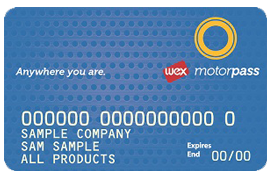
WEX Motorpass
Best for: for flexibility and detailed reporting
I’d suggest WEX Motorpass if your drivers need to fill up wherever makes sense on the day. With acceptance at 6,500+ fuel sites across major brands and independents, it’s a strong option for businesses working across metro and regional areas.
I also like the Driver App for teams working in unfamiliar areas, as it helps them find accepting locations without calling the office or detouring to a specific brand.
Save 1c on all fuel
How I’d roll out a petrol card program
I wouldn’t issue cards to every driver at once unless the fleet is very simple. I’d start with a small pilot: a couple of vehicles, a mix of driver types and someone from the office who will actually use the reports. That gives you a chance to spot confusing settings, missing information or network gaps before it becomes a whole-company problem.
In the first 30 days, I’d check card assignments, declined transactions, staff questions and the quality of the statement data. In the next 30 days, I’d adjust the settings that need adjusting, run a quick refresher with the team and set a regular review time. That’s it. You don’t need to over-engineer it. You just need a process that the business will keep using.
If you need a broader market view before you shortlist, I suggest reading Corporate Fuel Card Options in Australia Compared. It’s a useful next step once you know what your fleet actually needs.
My bottom line
A fleet petrol card works best when it matches the way your fleet operates. I’d get the card assignment right, keep the policy simple, use sensible controls and make the monthly reporting review quick and useful. I wouldn’t chase every possible feature. I’d choose the ones that solve a real problem for your team.
Shell Card can be a great fit for a predictable, route-focused fleet. FleetCard can be a strong option when wide acceptance and consolidated fleet costs matter. WEX Motorpass can make a lot of sense when flexible coverage and detailed reporting are high on the list. If you’re ready to compare options, start with the Fuel Card Comparison eligibility check and take your fleet requirements with you.
Find out which fuel card suits your fleet
FAQs
Should a fleet petrol card be assigned to a driver or vehicle?
I’d choose the option that gives you the cleanest information and suits the way vehicles are used. Shared vehicles often suit vehicle cards; drivers who move between vehicles may suit driver cards.
Can a fleet petrol card stop every incorrect purchase?
No card can do everything on its own. I’d use controls, a clear policy and a fair exception-review process together. That’s what keeps the system useful.
How often should I review fuel-card data?
I suggest a short monthly review, plus a more detailed check whenever your routes, fleet size or staffing arrangement changes.
Quick note: Fuel-card promotions, fees, accepted locations, available controls, payment terms and eligibility requirements can change. I always suggest checking the provider’s latest terms before you apply or make a decision.