If you’re looking for a petrol card for your business, you’ll probably see a lot of big promises: cents off every litre, thousands of locations, smarter reporting, less admin. Some of that is a good deal, and some of it is just clever marketing.
I’ve looked at plenty of fuel card offers over the years, and I think most business owners get pushed into the wrong starting question. They ask, “Which card gives me the biggest discount?” when they should be asking, “Which card is actually going to make my day easier?”
That’s the question I’d start with. Because a petrol card isn’t just a different way to pay at the servo. If you set it up well, it can cut down the receipt chasing, make your month-end reporting less painful and give you a clearer picture of where your fuel money is going. If you choose the wrong one, though, you can end up paying monthly fees for a card your drivers barely use, or sending them out of their way just to access a discount.
My advice is simple: don’t choose a card in five minutes. Spend a little time looking at the last 90 days of fuel purchases first. Once you’ve done that, cards such as Shell Card, FleetCard and WEX Motorpass become much easier to compare.
The first thing I’d look (and it’s not the discount)
A strong discount is only useful if it applies where your team is already filling up. I’ve seen businesses get excited about an offer, then realise their vans only pass one participating station a week. That’s not a saving if the driver has to leave a job, travel ten minutes in the wrong direction and queue somewhere they wouldn’t normally stop.
I’d start by looking at your routes. Are you mostly working in one metro area? Do the same two or three service stations keep appearing in the receipts? Or are your people constantly moving between suburbs, country towns and job sites? That one answer will narrow your shortlist quickly.
If your business is local and the Shell network is already part of the normal routine, I’d absolutely take a look at Shell Card. It can be a really good fit for smaller businesses that want a simple setup, a focused network and clear controls. If your drivers are regularly refuelling across different brands or travelling further afield, I’d be more likely to look at FleetCard or WEX Motorpass. Both are worth considering when convenience and coverage matter as much as the cents-per-litre number.
You don’t need a huge spreadsheet to work this out. I’d pull the last few months of transactions, highlight the stations your team used most often and look for patterns. You’ll probably get a pretty clear answer sooner than you think.
My 90-day petrol-card check
Before I compare petrol cards for a business, I’d grab 90 days of receipts, reimbursement claims or company-card transactions. Three months is long enough to capture the normal stuff as well as the messy stuff: a regional call-out, a new driver, a vehicle swap or a big project that changed the team’s routes for a few weeks.
Don’t overthink the exercise. I’m not asking you to build a finance model. I just want you to see what’s really happening right now. If the receipts are a mess, that’s good information too. It often tells me that the admin benefit of a fuel card could be just as valuable as the discount.
| What I’d record | Why it matters |
| Station and suburb | This tells you whether a single-brand or broad multi-brand network is likely to fit the way your team drives. |
| Vehicle or driver | It helps you decide if cards should be assigned to people, vehicles or a tightly controlled pool. |
| Litres and total spend | You need this to work out whether discounts and fees are likely to add up in your favour. |
| Fuel type | A mix of regular unleaded, premium, E10 or diesel can change the value of different offers. |
| How it was paid | Personal cards, petty cash and reimbursements usually reveal where your admin time is disappearing. |
| Anything unusual | A late-night fuel stop, a detour or a non-fuel purchase can show where a better process or control would help. |
I’d also make a quick note of how much time gets spent sorting the mess out. Maybe that’s a bookkeeper chasing receipts, an owner approving reimbursements or a supervisor trying to work out why a van fuelled up twice in a day. That time is a real cost, even though it doesn’t show up on the bowser price.
How I’d work out whether the numbers stack up
I always suggest looking past the introductory offer. A promotion can be a nice win, and I’d never ignore it, but the card still has to work once the promo period ends. So I’d use the ongoing discount, the normal card fee and any transaction charges that might apply to your typical pattern.
The calculation doesn’t have to be fancy. Start with your usual monthly litres. Multiply that by the ongoing cents-per-litre saving. Then subtract the monthly card fees and any likely transaction costs. That gives you a basic picture. After that, ask the more important question: how much admin will this remove, and how much flexibility will it give your drivers?
Let’s say you’ve got three vans and they’re collectively buying 1,500 litres a month. A few cents per litre can make a real difference, but it can also disappear quickly if each card carries a fee and the team uses the wrong stations. That’s why I’d rather have a slightly smaller discount that people can use every day than a bigger one that looks brilliant but doesn’t match the routes.
If you want a broader rundown of how the major cards compare, have a read of our guide to the best business fuel cards in Australia. I’d use it after the 90-day check, not before it. That way you can compare the cards against your own business instead of getting pulled around by someone else’s idea of “best”.
When I’d put Shell Card on the shortlist
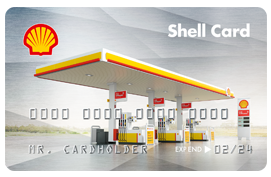
I’d look at Shell Card if your vehicles spend most of their time in metro areas or along routes where Shell, Reddy Express, OTR, Liberty or other participating sites are already convenient. This is especially true for smaller businesses. A focused network can be a real strength when it lines up with where people already stop.
What I like about the Shell Card approach is that it doesn’t need to be overly complicated. You can set up cards with individual PIN protection and purchase controls, which is handy if you’re trying to tighten up fuel-only spending. I’d suggest it to a business owner who wants a straightforward fuel-card program and doesn’t need every possible station on the map.
The obvious catch is coverage. If your drivers are travelling all over the country or constantly working in areas where the Shell network isn’t convenient, a multi-brand fuel card might be better.
Save 7c/l + $0 card fees in promo period
When FleetCard makes more sense
I’d put FleetCard on the shortlist when the 90-day audit shows your people are already buying fuel at lots of brands. It can be a strong option for a growing business with vehicles moving between areas, because the whole point is flexibility. You don’t want an electrician, sales rep or maintenance technician spending their day thinking about which service-station logo they’re allowed to use.
I also think FleetCard is worth a look if you want to bring more than just fuel into the same system. Depending on the account and merchant, it may be useful for selected vehicle-related spending and consolidated reporting. That can make life easier for the person doing the books, but I’d always check the current merchant rules, fees and controls before you build your process around it.
My rule of thumb is this: if broad acceptance saves your team time, it’s worth pricing. If broad acceptance is just something that sounds nice but your vans never leave the same few suburbs, it may be more than you need.
Save up to 6c per litre on fuel for your business
When I’d suggest WEX Motorpass
I’d suggest WEX Motorpass when your team needs the freedom to refuel in different places and you care about the quality of the reporting. It’s particularly relevant for businesses with regional work, a mix of driver routes or a need to manage selected vehicle expenses in one account. The driver app and broad acceptance can make a real difference when someone is unfamiliar with the area and just needs to find a suitable fuel stop.
I wouldn’t choose WEX just because it has a big network. I’d choose it when that network solves an actual operating problem. If your drivers regularly complain that they can’t find the “right” station, or you’re constantly dealing with different brands across different towns, it’s a great petrol card. As always, check the current product, plan and fee schedule against your expected usage.
Save 1c on all fuel
Don’t forget the boring stuff (it’s usually where the value is)
The big sales pitch is usually the discount. I get it. Fuel is expensive, and everyone wants a better price. But I’ve found the boring stuff is often where the real value sits: a single invoice, fewer receipts, easier reconciliation, a quick way to block a lost card and a clearer idea of who is spending what.
If you’re paying staff back for petrol every week, that’s a sign. If you’re digging through receipts before BAS time, that’s another sign. If you can’t tell whether the same vehicle is suddenly using more fuel than usual, that’s a third. A good petrol card won’t magically fix every business process, but it gives you better information and a cleaner place to start.
One important note: I’d never treat a fuel-card statement as tax advice. It can make records easier to manage, but it doesn’t automatically make every purchase deductible or every litre eligible for a fuel tax credit. The rules depend on your business activity, vehicle and use. If that’s relevant to your business, I suggest checking the ATO’s fuel tax credit guidance or talking to your registered tax adviser.
My bottom line
If I were choosing a petrol card for business today, I’d start with the routes, the fuel volume and the admin headache. I wouldn’t start with the headline offer. Shell Card can be a great fit for a business whose vehicles already use the Shell network. FleetCard can be a strong option when broad acceptance and consolidated vehicle spending are useful. WEX Motorpass can make a lot of sense when the team works across different locations and needs flexible coverage plus detailed reporting.
Once you’ve done your 90-day check, I’d use the Fuel Card Comparison eligibility check to see which options are worth a closer look. Get the fit right first and the savings tend to follow.
Find out which fuel card suits your fleet
FAQs
What is a petrol card for business?
It’s a business payment card used for petrol and, depending on the provider and your settings, selected vehicle-related purchases. It can help with reporting, spending controls and consolidated billing.
Can a small business use a petrol card?
Absolutely. I’d just make sure the monthly fees and network fit make sense for your fuel volume. A small local fleet may be better off with a simple, low-overhead setup than a card built for national travel.
Which is better: Shell Card, FleetCard or WEX?
It depends on the way you drive. I’d look at Shell Card for a convenient Shell-network fit, FleetCard for broad acceptance and WEX Motorpass for flexible coverage and detailed reporting. Start with the last 90 days of real transactions and the answer usually gets clearer.
Quick note: Fuel-card promotions, fees, accepted locations, available controls, payment terms and eligibility requirements can change. I always suggest checking the provider’s latest terms before you apply or make a decision.