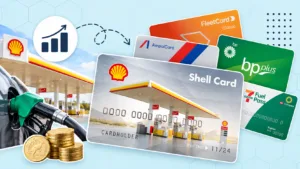
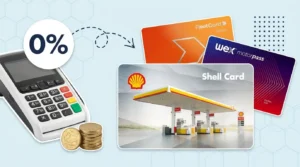
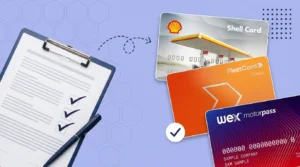
- Current EOFY and limited-time fuel card offers in Australia
- FleetCard Classic: The Best The EOFY offer
- Shell Card: A solid option for small businesses and regular Shell users
- WEX Motorpass: Best for businesses that need flexibility over one-brand discounts
- AmpolCard: A strong choice if you want a longer discount period
- BP Plus: Fuel savings with Qantas Points potential
- 7-Eleven Fuel Pass: Strong savings if 7-Eleven is convenient
- United Card: Good discount, but check the network first
- Caltex StarCard: A controlled option for regular Caltex users
- How I’d choose the right EOFY fuel card offer
- The bottom line
- FAQs
Quick takeaway: If I had to shortlist the strongest offers, I’d look first at FleetCard Classic for cashback and broad acceptance, Shell Card for simple savings and a strong network, and WEX Motorpass for nationwide flexibility. Then I’d compare AmpolCard, BP Plus, 7-Eleven, United and Caltex StarCard based on where my vehicles actually refuel.
At Fuel Card Comparison, we spend a lot of time looking at fuel card offers, fees, networks and rewards programs. The best card is rarely just the one with the biggest headline discount. It usually comes down to where your drivers fill up, how many vehicles you run, whether you want rewards points, and how much admin time you want to save.
At the time of writing, there are several strong fuel card offers available in Australia. Some are clear EOFY deals, while others are limited-time promotions running around the end of the financial year. Below, I’ve broken down the main offers including what I like, what I’d watch out for, and which businesses each card may suit best.
Current EOFY and limited-time fuel card offers in Australia
Here is the simple comparison I’d start with. Offers can change quickly, so always check the latest terms before applying.
| Fuel card | Offer at the time of writing | Best suited to | What I’d check before applying |
|---|---|---|---|
| FleetCard Classic | Up to $500 cashback, plus up to 6c/L off at Shell and Reddy Express and 3c/L off at selected partners | SMEs wanting broad coverage and one account for fuel and vehicle costs | Cashback rules, minimum litres, card fees and whether your drivers use Shell/Reddy Express often enough |
| Shell Card | 7c/L introductory offer with no card fees during the promo period | New and small businesses that use Shell, Reddy Express, OTR, Liberty or Westside | Network fit, ongoing discount after the promo, and monthly card fee after the introductory period |
| WEX Motorpass | $0 management fee promotion for new customers | Businesses that need coverage across metro and regional Australia | Monthly fees after the promo, transaction fees and whether coverage matters more than the highest discount |
| AmpolCard | Choose between 8c/L for 10 months, 6c/L for 18 months, or 6c/L plus Everyday Rewards points for 6 months (+ collect up to 100,000 bonus Everyday Rewards points) | Businesses already using Ampol regularly | Whether you prefer a higher short-term discount, a longer discount period, or rewards points. Must apply by 31 August. |
| BP Plus Card | 8c/L off eligible fuel plus Qantas Points | Businesses loyal to BP or wanting Qantas Business Rewards | BP network fit, Qantas eligibility, card fees and EV charging needs |
| 7-Eleven Fuel Pass |
Save 10c per litre at 7-Eleven for the first 6 months |
Businesses that fill up at 7-Eleven or want access to the WEX network through Fuel Pass | Whether you need 7-Eleven-only savings or broader acceptance through Fuel Pass |
| United Card | 7c/L for the first 6 months, then a smaller ongoing discount | Businesses located near United or Astron sites | Smaller network, monthly card fee and whether United sites match your routes |
| Caltex StarCard | 8c per litre discount for the next 12 | Businesses that mostly use Caltex and want spending controls | Whether you need StarCard only or broader StarCard Access coverage |
FleetCard Classic: The Best The EOFY offer
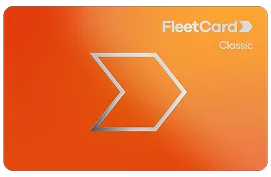
For many small and medium businesses, FleetCard Classic is the first card I’d look at. The reason is simple: it gives you access to a large network, useful fuel discounts, card controls, reporting and the option to manage more than just fuel.
At the time of writing, FleetCard is promoting an EOFY cashback offer for new customers. The headline is up to $500 cashback, calculated at 10c per eligible litre, with the cashback capped at 5,000 eligible litres. The offer also includes introductory discounts of up to 6c/L at Shell and Reddy Express and 3c/L at selected partner locations.
In practical terms, I think FleetCard Classic is strongest when a business wants convenience as well as savings. It can suit teams that use different fuel brands, travel across different suburbs or regions, and want one invoice instead of drivers paying personally and chasing reimbursements later.
The main thing I’d check is whether your business will actually meet the cashback conditions. The offer has minimum litre requirements and a cap on eligible litres per transaction. That does not make it a bad offer. It just means the best value is likely to go to businesses with enough fuel volume to qualify.
Where I think cards like FleetCard Classic become particularly valuable is for businesses like electricians, plumbers and maintenance companies where vehicles are constantly moving between jobs. Once you get beyond two or three vehicles, fuel purchases often end up split across multiple staff members, different cards and a pile of receipts. The fuel discount is useful, but the bigger win is usually visibility. Being able to see every transaction in one place is often worth more than squeezing out another cent per litre from a competing offer.
Save up to 6c per litre on fuel for your business
Shell Card: A solid option for small businesses and regular Shell users
Shell Card is one of the easiest cards to understand, which is why we often see it as a strong fit for small businesses. It is accepted across Shell, Reddy Express, OTR, Liberty, Westside and selected accepting sites, and it keeps fuel spending easier to track.
At the time of writing, Shell Card has a 7c/L introductory offer for new customers, with card fees waived during the promotional period. After the promo, the ongoing savings are lower, but the card can still make sense if Shell sites are convenient for your drivers.
Where Shell Card stands out is simplicity. It offers clear reporting, no transaction fees at participating sites, and a low monthly card fee once the promo period ends. For many small operators, that is more useful than chasing a slightly bigger discount at a network they rarely use.
My view is that Shell Card is particularly worth comparing if your business is newer, you want a straightforward fuel account, or your drivers already pass Shell and Reddy Express sites every week.
The biggest mistake I see with fuel cards is comparing discounts without looking at routes. A card offering 7c/L sounds fantastic until drivers have to make a 10-minute detour to use it. For businesses operating mainly in metro areas where Shell, Reddy Express and Liberty sites are already on the route, the maths tends to work. For regional operators, network coverage can matter more than the headline discount. The best fuel card is usually the one your drivers actually use every week.
Save 7c/l + $0 card fees in promo period

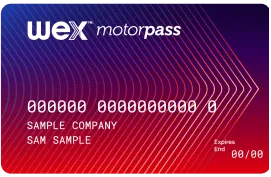
WEX Motorpass: Best for businesses that need flexibility over one-brand discounts
If your drivers travel widely, WEX Motorpass is the one to look at. WEX is not always about the biggest cents-per-litre discount. Its main strength is coverage.
WEX Motorpass is accepted across a very large multi-brand network, including major brands and many independent operators. That matters for businesses where drivers cannot always choose the cheapest or preferred service station. A card with broad acceptance can reduce detours, missed receipts and awkward out-of-pocket payments.
At the time of writing, WEX Motorpass is offering $0 card fees for the first 6 months. I’d treat that as a useful bonus, but I’d still compare the ongoing fee structure carefully. WEX can include monthly card fees and transaction fees, so the value depends on how much flexibility your business needs.
In my opinion, WEX Motorpass is a strong option for regional businesses, mobile service teams, trades, transport operators and any fleet where drivers need to fill up wherever the job takes them.
This is why broader-network cards tend to appeal to trades, service businesses and regional operators. If you’re running a construction company, a mobile repair business or a transport operation, drivers do not always get to choose where they refuel. A card with wider acceptance may not advertise the largest discount, but avoiding off-network purchases can often save more money than chasing an extra cent or two per litre on paper.
$0 card fees
AmpolCard: A strong choice if you want a longer discount period
AmpolCard is worth a close look because it gives businesses a choice between different promotional structures. At the time of writing, the offer includes options such as 8c/L for 10 months, 6c/L for 18 months, or 6c/L for 6 months plus Everyday Rewards points.
If you want the biggest near-term saving, the 8c/L option may be more appealing. If you prefer a longer runway, the 6c/L for 18 months option may be better. If your business already uses Everyday Rewards, the points option may be worth considering.
I’d usually suggest AmpolCard for businesses that already use Ampol often. It can offer good value, but like most single-network cards, the real test is route fit. If your drivers have to go out of their way to use the discount, the headline saving can disappear quickly.
BP Plus: Fuel savings with Qantas Points potential
BP Plus Card is another offer that may suit the right business well. At the time of writing, BP Plus is offering 8c/L off fuel for the first 6 months, and Qantas Points opportunities for eligible customers.
This is the type of card I’d look at if a business already uses BP regularly or wants to earn Qantas Points through Qantas Business Rewards. BP Plus also has useful controls, reporting and access to BP’s broader business network.
The thing to keep in mind is that rewards should not distract from the basics. Before choosing BP Plus Card, I’d check whether BP locations suit your routes, whether your business is eligible for the points offer, and whether the monthly card fee makes sense for your fuel volume.
7-Eleven Fuel Pass: Strong savings if 7-Eleven is convenient
7-Eleven Fuel Pass can be a persuasive option if your drivers already use 7-Eleven fuel stores. The current 7-Eleven fuel card offer is simple: strong introductory savings at 7-Eleven sites (10c per litre at 7-Eleven for the first 6 months) with two card options depending on whether you want 7-Eleven-only use or a broader network.
The 7-Eleven Fuel Card is more restricted but can have lower fixed costs. The Fuel Pass version adds access to the wider WEX Motorpass network, which can make it more practical for businesses that need extra coverage.
My view is that 7-Eleven Fuel Pass can work well when the network matches your day-to-day driving. If 7-Eleven sites are not convenient, I’d compare it against a broader card such as FleetCard Classic or WEX Motorpass before applying.
United Card: Good discount, but check the network first
United Card is currently offering 7c/L off for the first 6 months for eligible new accounts, then a smaller ongoing discount after the promotional period.
That is a solid discount if United service stations suit your drivers. United also has Astron acceptance, which may help in some areas. However, the network is smaller than multi-brand options, so I’d be careful about choosing it purely on discount.
For businesses based near United sites, United Card can be a sensible way to save on regular refuelling. For fleets that move across many areas, I’d compare it against broader cards first.
Caltex StarCard: A controlled option for regular Caltex users
Caltex StarCard is designed for businesses that want control, reporting and reliable savings at Caltex sites. At the time of writing, Caltex StarCard is offering 8c per litre discount for the next 12 months.
I like Caltex StarCard for businesses that already use Caltex and want clean reporting, card controls and simple administration. For wider travel, StarCard Access may be worth comparing because it adds broader acceptance through the WEX Motorpass network.
As with every single-brand card, the key question is not just “how much is the discount?” It is “how often will my drivers realistically use the network?”
How I’d choose the right EOFY fuel card offer
When comparing EOFY fuel card offers, I would not start with the biggest number on the page. I’d start with your business usage. The best fuel card is the one your drivers will actually use, at sites they already pass, with fees that do not eat up the savings.
| If your priority is… | I’d compare these first | Why |
|---|---|---|
| Broad acceptance | FleetCard Classic and WEX Motorpass | They are better suited to businesses that need flexibility across multiple fuel brands |
| Simple small-business setup | Shell Card and FleetCard Classic | They combine practical savings with relatively simple account management |
| Long promotional discount | AmpolCard | The 6c/L for 18 months option may suit businesses that want longer-term certainty |
| Loyalty points | BP Plus Card, AmpolCard and FleetCard Rewards+ | They may suit businesses that value Qantas, Everyday Rewards or Velocity-style rewards |
| Single-brand savings | 7-Eleven Fuel Pass, United Card or Caltex StarCard | These can work well if your drivers regularly use that brand |
The other thing I’d check is fees. A card can advertise a strong discount, but the final value depends on monthly card fees, transaction fees, payment fees, paper statement fees and late payment fees. I’d also check whether the discount applies to all fuel types or excludes LPG, AdBlue or certain transactions.
As a rough guide, every cent per litre is worth about $100 annually for every 10,000 litres of fuel purchased. If your business uses 30,000 litres a year, the difference between a 4c/L discount and a 6c/L discount is roughly $600 annually. That’s worth having, but it probably shouldn’t outweigh factors like network coverage, reporting quality or card fees. In my experience, businesses tend to get the best results when they choose the card that fits their operations first and then compare discounts second.
The bottom line
EOFY is a smart time to compare fuel cards because providers are competing for new business customers. If your team is still using personal cards, keeping paper receipts or filling up without any real cost controls, a fuel card can be a simple way to reduce admin and improve visibility.
The right card should save money, but it should also make fuel easier to manage. That is where fuel cards can really pay off for Australian businesses: not just a few cents per litre, but better control, cleaner reporting and less time wasted on admin.
FAQs
What is the best EOFY fuel card offer in Australia?
There is no single best offer for every business. At the time of writing, FleetCard Classic has one of the strongest EOFY-style offers because of its cashback and fuel discounts. However, AmpolCard, BP Plus Card, 7-Eleven Fuel Pass and United Card may suit better if your drivers mostly use those networks.
Are fuel card offers worth it for small businesses?
Absolutely – even for sole traders. A fuel card can help small businesses save on fuel, reduce receipt chasing, set driver limits and keep tax invoices in one place. The key is to compare savings against monthly card fees and choose a network your drivers will actually use.
Should I choose the highest cents-per-litre discount?
Not always. A high discount is only useful if your drivers can easily access the network and the fees do not cancel out the savings. In many cases, a slightly lower discount on a broader card such as FleetCard Classic or WEX Motorpass may be more practical.
Can I use more than one fuel card?
Yes, some businesses use more than one card to balance coverage and discounts. For example, a business might use a single-brand card for regular routes and a broader card for regional work. The trade-off is that more cards can mean more admin, so it is worth keeping the setup simple.
Do fuel cards help with tax time?
They can. One of the biggest benefits is consolidated reporting. Instead of collecting separate receipts from every driver, your business can receive itemised invoices and transaction records. This can make GST reporting, fuel tax credit checks and expense reconciliation easier.