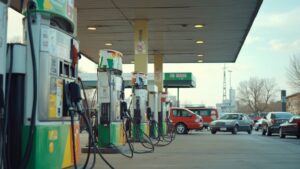
U-GO petrol is Ampol’s unmanned, card-only fuel network, offering 24/7 pay-at-pump refuelling with no on-site staff or shop, aimed at drivers who want a quick, no-frills way to fill up. Motorists drive in, pay at an outdoor terminal next to the bowser and refuel without entering a building or interacting with staff. The network is cashless and operates in multiple states, including New South Wales, Queensland, Victoria, South Australia, Western Australia and Tasmania.
U-GO Petrol At a Glance
- Fully unmanned, fuel-only service stations.
- Open 24 hours a day, seven days a week.
- No cash accepted; cards only at the pump.
- Part of Ampol’s broader Australian network.
How to Use U-GO Petrol Stations
U-GO stations work on a simple pay-at-pump system with a pre-authorisation hold, similar to what you might see at hotels or other unmanned fuel sites. Follow the steps below to get in and out quickly.
Step 1: Pull Up and Check the Pump
Park beside an available bowser and make sure the screen is active and showing instructions before you start. Confirm the fuel grade you want is available on that pump.
Step 2: Start the Payment
At the terminal on the pump, follow the prompts to begin your transaction. You will be asked to enter a dollar amount as your pre-authorisation before any fuel will flow.
Step 3: Enter Your Estimated Amount
Type in how much you expect to spend on fuel (for example, $60 or $80) when prompted. This figure tells your bank how much to temporarily set aside, but it is not the final charge if you pump less.
Step 4: Tap or Insert Your Card
Tap or insert your debit or credit card and complete any PIN or verification steps required by your bank. Once the payment is approved, the pump will unlock and you can begin refuelling.
Step 5: Fill Up As Normal
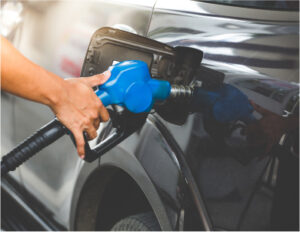
Lift the nozzle, select your fuel grade if needed and start filling your tank, just as you would at a traditional servo. The pump will slow as it approaches your pre-authorised limit and will stop automatically when you either hit that limit or your tank is full.
Step 6: Finish and Drive Away
When the pump stops, return the nozzle to the holder and check the screen for your final litre and dollar amounts. You can then leave the station without going inside or completing any extra steps.
How the Pre-authorisation Hold Works
Behind the scenes, your bank places a temporary hold for the full amount you entered at the start of the transaction, even if you pumped less fuel than that. The actual charge is then adjusted to match the real cost of the fuel you dispensed, and the unused portion of the hold is released back to your available balance.
In many cases, this happens within one to seven business days, but timing can vary by card issuer. During that period, your statement or banking app may briefly show what looks like multiple entries, but these are authorisation and reversal lines rather than duplicate charges, and only the final transaction for the fuel remains once everything is processed.
Key Things to Remember
- You must enter an estimated dollar amount before the pump will start.
- You are only charged for the litres you actually put in your tank.
- Any difference between your estimate and the final amount is held temporarily by your bank.
- Holds usually clear within 1–7 business days, depending on your card issuer.
Why Unmanned Petrol Stations Are On The Rise in Australia
The U-GO model sits within a broader shift in fuel retail, where operators are looking for ways to manage rising costs and changing driver expectations. Staffing a traditional servo 24/7 is increasingly expensive, and many sites face higher security, energy and labour costs while fuel margins remain thin. At the same time, motorists have become more comfortable with self-service and contactless payments, especially when they only need fuel and are not interested in using in-store facilities.
For Ampol, a fuel-only, self-serve format allows certain sites to operate with lower overheads. Existing service stations can be converted to U-GO, removing the shop component and associated labour, while new sites can be built with a smaller footprint and managed through remote monitoring. This lighter model also gives the company flexibility as the market gradually absorbs more electric vehicles and fuel volumes come under long-term pressure.
Is U-GO Petrol Good?
Yes, U-GO’s petrol is quality fuel. Ampol emphasises that U-GO’s focus on value does not mean a compromise on fuel standards. The company states that all U-GO fuels meet the requirements of the Australian Fuel Quality Standards, the same regulatory framework applying to other major brands. Pumps are National Measurement Institute (NMI) approved and are calibrated by accredited servicing contractors to help ensure motorists receive the volume they pay for.
In metropolitan areas, major fuel brands typically draw from shared terminals and refineries, with additives and branding used to differentiate the end product. U-GO offers the usual spread of unleaded, ethanol blend, premium and diesel grades, aligning with the core range found at conventional sites. Public reviews show a mix of experiences—some drivers report no noticeable difference compared with other brands, while others attribute small changes in economy to particular fuels—but these reports are subjective and can be heavily influenced by driving style, conditions and vehicle type.
U-GO’s Fuel Range
- Unleaded 91.
- Ethanol blend petrol (E10), where available.
- Premium unleaded grades in higher octane ratings.
- Diesel for passenger and light commercial vehicles.
U-GO Petrol Payment Options (Can You Use a Fuel Card?)
U-GO’s payment setup is deliberately simple but excludes several popular products. Self-serve terminals accept most major debit and credit cards, including Visa, Mastercard and American Express, and are configured for tap or insert payments only. There is no option to pay inside or use cash, as the sites are underpinned by a fully cashless operating model.
Where some motorists run into limitations is with fleet and fuel cards. U-GO does not accept AmpolCard, AmpolCash or other fleet card products, which means that business and fleet users reliant on these tools for consolidated invoicing and controls must generally continue to use staffed Ampol sites or other traditional servos. Ampol notes this clearly in its FAQ and has not announced any change to fuel card acceptance at U-GO terminals.
Accepted
- Visa debit and credit cards.
- Mastercard debit and credit cards.
- American Express cards.
Not Accepted
- Cash, in any form.
- Gift cards and Buy Now, Pay Later options such as Afterpay.
- Fleet and fuel cards, including AmpolCard and AmpolCash.
What Does Ampol Say About U-GO’s Duture?
Fuel Card Comparison put a series of questions to Ampol about U-GO’s rollout, fuel supply and whether fuel cards will be accepted in future. Ampol’s replies confirmed a few key points – and left several others deliberately open.
Ampol stated that it is “unable to comment on future site conversions or expansion plans beyond what has already been publicly disclosed,” so there is no clear guidance on how many more sites will become U-GO or when this might happen. Decisions about which locations are converted to the U-GO format are said to be based on “a range of commercial, operational, and customer considerations,” without any specific criteria being shared.
On fuel quality, Ampol confirmed that U-GO fuel is supplied through Ampol’s own supply chain and meets the same quality specifications as Ampol-branded fuels, which should reassure drivers who are concerned about what is going into their tank. However, when it comes to payment options, Ampol confirmed that AmpolCard is not accepted at U-GO sites and added that it is “unable to comment on future fuel card acceptance or integration plans unless and until they are formally announced,” meaning there is currently no commitment to support fuel cards at U-GO in the future.
Are U-GO Petrol Stations Safe?
The absence of on-site staff naturally prompts questions about safety and what happens if something goes wrong. U-GO sites rely on a combination of lighting, cameras and remote monitoring to manage risks, with systems configured to shut down fuel delivery if abnormal or unsafe activity is detected. Emergency contact information is displayed at the terminal, and Ampol’s support team can be reached by phone during business hours to help resolve transaction and card issues.
Many drivers say they feel comfortable using U-GO in well-lit suburban locations, particularly during the day or for quick refuelling stops when they would prefer not to enter a building. Others remain cautious about unstaffed forecourts late at night or in quieter areas, and still prefer the reassurance of staff, facilities and an open shop on site. As with other automated services, the perceived safety and comfort of the model depends on personal preference and the specific site.
Who U-GO Suits – And Who It Doesn’t
U-GO is well aligned with motorists who want to refuel quickly, are comfortable with self-service technology and primarily pay with standard bank cards. The model is particularly appealing to drivers who often fill up outside normal trading hours, do not rely on servo amenities such as toilets or food, and like the idea of staying outdoors and at the vehicle throughout the visit.
By contrast, traditional service stations remain a better fit for drivers and fleets that depend on fuel cards, prefer face-to-face assistance or routinely combine refuelling with buying snacks, drinks and other items. For these users, the additional facilities and staff presence are part of the value proposition, even if the visit takes a little longer.
Best Fit For U-GO
- Private motorists paying with debit or credit cards.
- Drivers who value speed and 24/7 access over in-store services.
- People who are comfortable with pre-authorisation holds and self-service terminals.
Better Served By Traditional Servos
- Business and fleet users tied to fuel card programs.
- Drivers who want toilets, food, drinks or windscreen cleaning at the same stop.
- Motorists who feel safer with visible staff on site, especially at night.
The Future of Fuel Retail?
Whether you love or hate the idea, self-service fuel stations are here to stay. U Go is expanding rapidly, and other retailers are watching closely.
This shift reflects a broader trend in retail – automation reducing costs and (theoretically) prices, but at the expense of jobs and personal service. It’s the same conversation we’re having about self-checkouts at supermarkets, automated fast-food ordering, and countless other industries.
For Australian motorists, though, more options at the pump can only be a good thing. Competition drives innovation and keeps prices in check. Whether U Go becomes your regular stop or just a convenient option for odd-hour refuelling, it’s changing the landscape of how we think about filling up.
Final Thoughts
U-GO is a useful option for drivers who pay with a standard debit or credit card and want fast, 24/7, no-frills refuelling. However, businesses and fleet users who rely on fuel cards gain little benefit, as fuel and fleet cards are not accepted and they lose the reporting and control features those cards provide.
The fuel meets Australian standards and pricing is generally competitive, so for private motorists comfortable with self-service, U-GO can slot easily into everyday routines. If you depend on fuel cards or prefer staffed sites and amenities, a traditional servo will remain the better fit.
Looking for The Best Fuel Card For Your Business?
Use our Fuel Card Eligibility Checker to quickly compare options, confirm which cards you qualify for, and find products that actually work at the stations your team uses most.
Answer a few quick questions about your fleet size, typical spend and preferred networks, and we’ll narrow down the cards that best match your needs before you apply.