After helping thousands of Australian businesses compare and select business fuel cards, we’ve seen the same mistakes come up again and again.
We’re not writing this to be critical. Most of the businesses we speak to are time-poor owners and fleet managers who just want to reduce their fuel spend and move on.
But the fuel card market in Australia is more complex than it looks, so here’s an honest rundown of what we see going wrong (and what to do instead).
See which fuel card fits your business
Check eligibility
1. Chasing the Biggest Discount Without Checking the Network
This is easily the most common mistake. A fuel card offering a 4 cents per litre rebate sounds more attractive than one offering 2 cents. On paper, the maths is obvious. In practice, it often isn’t.
The problem is that, fuel card discounts are tied to specific networks, and if your drivers aren’t filling up at those sites, the discount is worthless. We regularly see businesses in regional or rural Australia sign up for a fuel card with great discount, only to find that the nearest accepted site is 80 kilometres away. Their drivers continue filling up wherever is convenient, the card barely gets used, and the business wonders why their fuel costs haven’t moved.
Before you look at discounts, map your drivers’ routes against each card’s acceptance network. The fuel card that actually covers where your vehicles travel will save you more money than a higher discount at sites your drivers will never visit.
2. Ignoring the Fee Structure
Fuel card providers in Australia are not always upfront about their fee structures, and we’ve seen businesses sign up without properly understanding what they’re committing to.
Card fees, out of network transaction fees, paper statement fees, and late payment fees can all add up, and in some cases, they can wipe out the rebate benefit entirely for smaller fleets.
Read the product disclosure statement carefully. Ask the provider directly: what will we actually pay in fees, and what will we actually earn in fuel discounts?
3. Falling for the Promo Discount
Introductory or promotional offers are common in the Australian fuel card market, and we get why they’re appealing — a heavily discounted rate or $0 card fees for the first three or six months looks great on a spreadsheet.
What businesses don’t always clock is what happens when that promo period ends. The discount shrinks, card fees go up, and suddenly the card that looked like a great deal is just an average one.
We see businesses stay on that card out of inertia — the admin of switching feels like too much effort — and end up paying over the odds for months longer than they should.
Because fuel cards in Australia are generally month-to-month, there’s actually nothing stopping you from switching once a promo expires. The smarter move is to treat the promo period as a trial: use it, assess the card on its merits at the standard rate, and be willing to compare again when it ends.
Loyalty to a fuel card provider that’s no longer competitive doesn’t save you anything.
4. Not Matching the Card to Their Fuel Brand Habits
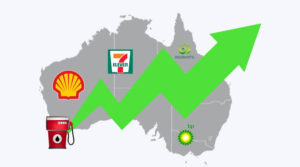
Australia has a handful of dominant fuel card providers — Shell Card, WEX Motorpass, BP Fuel Card, Fleet Card, Ampol, and a few others — and each has strengths tied to their own branded sites and partner networks. A lot of businesses choose a card based on brand familiarity or a sales call rather than asking themselves: where do our drivers actually fill up?
If your drivers are overwhelmingly filling up at Shell or 7-Eleven sites, a card optimised for BP’s network isn’t going to serve you well. This sounds obvious, but it’s surprising how rarely businesses audit their existing fuel receipts before choosing a card. A month of receipts will tell you almost everything you need to know about which network best matches your real-world behaviour.
Some cards — particularly WEX Motorpass — offer broader multi-brand acceptance, which can suit businesses with dispersed fleets or drivers who don’t follow consistent routes. Others are tied to a single brand. Neither is inherently better; the right choice depends entirely on your usage patterns.
5. Not Considering the Fuel Card Features
A fuel card is not just a payment method. In fact, the reason most businesses we help want a fuel card isn’t for the discount, but the reporting features. The best fuel cards come with reporting tools that can transform how you manage fleet costs — purchase-by-driver reporting, odometer tracking, alerts for unusual transactions, and integration with fleet management or accounting software. Businesses that treat fuel cards as a simple discount mechanism miss out on the operational value entirely.
We’ve seen businesses running ten or more vehicles with no visibility into which drivers are filling up where, how often, with what volume, or whether any transactions look suspicious. A configured fuel card with good reporting can identify inefficiencies — and in some cases, outright misuse — that would otherwise go completely undetected.
When you’re evaluating cards, ask to see a sample report. Ask whether you can set spending limits or category restrictions per card. Ask whether the platform integrates with MYOB, Xero, or whatever accounting software you’re using.
6. Not Comparing Fuel Cards Before Deciding
Finally — and this may sound self-serving given what we do, but it’s true — a significant number of businesses choose a fuel card based on a single sales call, a recommendation from another business owner, or simply because it’s the card the previous owner used.
The Australian fuel card market is competitive, and the differences between products are meaningful. A few hours spent comparing options against your actual usage profile can result in materially better outcomes for your business.
The Bottom Line
The right fuel card for your business depends on factors that are specific to you — your fleet size, your routes, your fuel brand habits, and your reporting needs. There’s no universally best product, which is exactly why comparison matters.
We’ve built fuelcardcomparison.com.au because we believe Australian businesses deserve a clearer, more honest view of their options. If you’d like to work through which card suits your operation, start with our eligibility check and comparison tool — or get in touch directly. We’d rather you ask the hard questions upfront than regret a decision 6 months in.