Running vehicles in Australia is getting more expensive, but a Shell Fuel Card used right can shave real dollars off every litre and cut hours of admin each month. This guide walks through practical, 2026‑ready tactics to squeeze more value from every Shell Card transaction, whether you’re a sole trader or managing a growing fleet.
TLDR: To maximise your Shell Fuel Card savings in 2026, consolidate all business fuel onto Shell Card, link and use Flybuys at eligible Shell and Shell Reddy Express sites, tighten card controls, route drivers to preferred locations, and regularly review your reports and accounting data to track cents‑per‑litre and admin savings.
Quick Ways to Boost Your Shell Fuel Card Savings in 2026
To optimise your Shell Fuel Card, start with these moves. They deliver fast savings without needing to change providers or overhaul your whole fleet policy.
-
Link Flybuys and refuel at participating sites
Linking Flybuys to your Shell Card account lets you earn points on eligible litres at participating Shell, Shell Reddy Express and OTR locations, adding a layer of rewards on top of any fuel discounts you receive. Make sure drivers know which sites earn points and update your route plans or driver instructions so they naturally favour those locations where it doesn’t add excessive detour time. -
Always use Shell Card for business fuel
Every time drivers pay cash or use a personal card, you miss out on potential cents‑per‑litre discounts, rewards and clean tax invoices.
Make sure your know staff know that all business fuel must go through Shell Card unless there is an emergency, and back this with clear guidelines in your fuel policy and onboarding. -
Tighten spend and product controls in the Shell Card portal
Use the online portal to lock most cards to fuel‑only purchases, set sensible daily or weekly dollar limits, and, if it’s appropriate for your particular business, restrict usage to business hours. These controls reduce non‑business spending, make fraudulent transactions easier to spot and give you confidence that each litre bought genuinely supports your operations. -
Match payment terms to your cash flow
Shell Fuel Card accounts typically offer different statement and payment cycles, such as shorter or longer terms with direct debit.
Choosing a payment schedule that mirrors your cash inflows helps you avoid late fees, keep working capital healthy and plan fuel spend more accurately across 2026. -
Brief drivers on how and where to use the card
Even the best fuel card setup fails if drivers fill up at the wrong sites, choose premium fuels unnecessarily or pay with the wrong method.
Create a one‑page guide or toolbox talk that covers preferred Shell locations, approved fuel grades, what to do if a card is lost, and how to handle receipts or errors at the pump. -
Turn on alerts and review reports regularly
Use Shell Card’s reporting and alert options to flag unusual spend patterns, such as repeated small top‑ups, multiple fills in a short time, or out‑of‑hours transactions. Build a habit of reviewing fuel reports at least monthly so you can adjust controls, coach specific drivers and refine your routes based on real usage data.
-
Connect Shell Card to your accounting software
Integration with common accounting platforms like Xero and MYOB lets Shell Card invoices and transaction data flow straight into your books.
This reduces manual data entry, cuts reconciliation time and gives you clearer, more timely visibility of fuel costs when you run P&Ls or cash‑flow reports. You can easily do this via the Shell Card portal.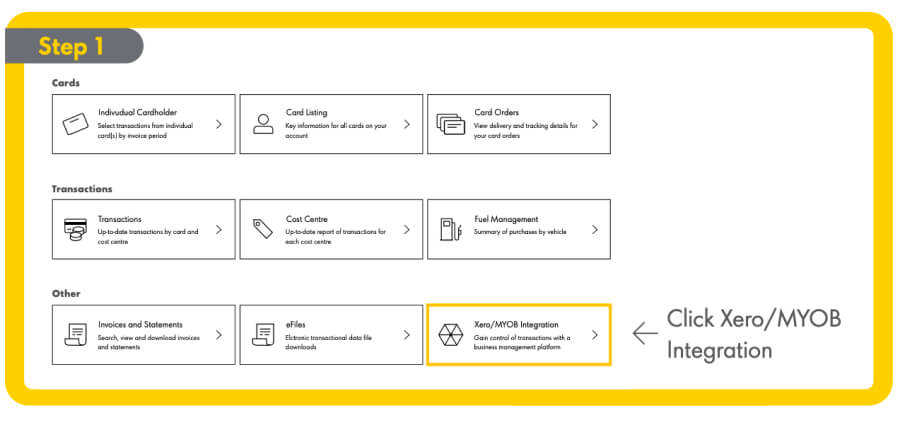
What Discounts & Rewards Can You Get with a Shell Fuel Card in 2026?
The value of your Shell Fuel Card in 2026 comes from more than just a headline cents‑per‑litre discount. It’s a mix of fuel price reductions, rewards, lower fees, and admin savings that add up once you scale across multiple vehicles.
You can read more about increasing your discounts with rewards and points hacks here.
Shell Fuel Card Discounts and Fees Explained
Shell Fuel Card accounts commonly include introductory discount offers, where new customers enjoy a fixed cents‑per‑litre saving over a promotional period, followed by ongoing discounts or negotiated rates based on volumes and usage.
Shell Card Promo Fees
| Category | Detail |
|---|---|
| Fuel discounts | 7c/L off petrol and diesel |
| Promo condition | Save 7c/L for new customers for the first six months when enquiring through Fuel Card Comparison |
| Card fees | $0.00 for the first 6 months, then $2.50 per card per month |
| Transaction fees | $0.00 – only when used at Shell and Reddy Express petrol stations |
Fee structures usually combine per‑card or account fees, and in some cases statement or service fees, though these may be discounted or waived under specific promotions or bundles, particularly for small business packages.
Shell Card Fees (Ongoing)
| Category | Detail |
|---|---|
| Fuel discounts | 4c/L off petrol and diesel |
| 2c/L off regular fuel and 4c/L off premium fuel | |
| Card fees | $2.50 per card, per month (ex GST) |
| Transaction fees | $0.00 – no transaction fees at Shell and participating service stations |
| Other fees | Paper statement fee $2.50 per statement; digital statements free |
| Processing fees (Visa) | 0.40% |
| Processing fees (MasterCard) | 0.40% |
| Processing fees (Amex) | 1.50% |
| Interest‑free period | Up to 14 days |
| Interest‑free notes | 7–14 days from purchase to repay your purchases |
| Number of fuel merchants | 1,500 |
| Merchant network | Includes Shell, Reddy Express, OTR, Liberty and Westside |
Because promotions change frequently, it’s important you understand the discount you’re receiving and where they apply across the Shell network.
This knowledge helps you negotiate better, compare offers against other cards, and avoid surprises when introductory deals end.
How Flybuys & Other Rewards Boost Your Savings
When you link Flybuys to your Shell Fuel Card, eligible fuel purchases at participating Shell and Shell Reddy Express sites earn points on top of any fuel discounts or rebates.
Those points can often be redeemed for gift cards, merchandise or other rewards that indirectly offset running costs, such as office supplies or staff incentives.
Even at modest monthly volumes, accumulated points over a full year can represent a meaningful extra benefit, especially for small fleets running consistent routes.
To maximise this, confirm which locations participate, educate drivers and periodically review your points balance so it is actually used rather than sitting idle.
Shell Card Discount vs Other Fuel Card Providers
| Card | Accepted Sites | Avg. Ongoing Discount | Monthly Card Fee | Interest-Free Period |
| FleetCard | 6,200+ | 2–3c per litre | $5.99 | 51 days |
| Shell Card | 1,500+ | 2–4c per litre | $2.50 | 0–14 days |
| WEX Motorpass | 6,000+ | 1–2c per litre | $5.99 | 0–21 days |
| BP Plus | 1,400+ | 2c per litre | $2.95–$4.95 | 21 days |
| AmpolCard | 2,000+ | 3–4c per litre | $2.95 | 0 days |
| 7-Eleven Fuel Card | 640+ | 2c–4c per litre | $0 | 0 days |
What Shell Card Controls Should You Set to Stop Overspend and Fraud?
The goal with Shell Card controls is to make it easy for drivers to do the right thing, and hard for anyone to overspend or misuse the card.
Start with how each card is set up:
-
Lock most cards to fuel only (no snacks, drinks or other shop items).
-
Set the correct fuel type for each vehicle so drivers can’t buy premium or incompatible fuels by default.
-
Give every card its own PIN and link it to a specific driver or vehicle so you always know who used it.
Then put sensible limits around spend and timing:
-
Base daily or weekly dollar limits on the vehicle’s tank size and usual kilometres, so there’s enough room for normal use but not for repeated “top‑ups”.
-
If your account allows it, restrict use to normal work hours so late‑night or weekend fills stand out or are blocked.
-
Keep an eye out for multiple transactions close together on the same card or unusually large fills that don’t match the vehicle.
Finally, back the settings with a simple, written fuel‑card policy:
-
Explain who can use the card, which vehicles it’s for, and which stations you prefer them to visit.
-
Make it clear that PINs must not be shared, and that lost or stolen cards must be reported straight away so you can block them.
-
Let drivers know you review fuel reports regularly – not to catch people out, but to protect the business and keep costs under control.
This mix of basic controls, quick checks and clear expectations usually stops most overspend and fraud before it starts.
Recommended Card Settings for Fleets
For many small businesses, a simple configuration works well:
-
Fuel‑only for most cards, with shop and non‑fuel purchases disabled unless a specific role genuinely needs them.
-
Daily or weekly dollar caps aligned with tank size and expected kilometres, to make repeated “top‑up” behaviour stand out.
-
Optional time‑of‑day restrictions so refuelling is limited to standard working hours or shift windows.
-
Unique PINs tied to drivers or vehicles, plus a clearly communicated process for reporting and blocking lost or stolen cards.
These settings should be reviewed whenever routes, staffing or vehicle mix change, as what works for two utes may not suit a ten‑vehicle fleet running long‑haul deliveries.
Route, Site and Vehicle Strategies That Cut Fuel Burn
Fuel savings don’t stop at the pump price. How you plan routes, choose refuelling sites and operate vehicles can materially reduce your total litres consumed in 2026.
Choose the right sites for your routes
Shell Card delivers the most value when vehicles naturally pass Shell and partner locations that honour your discounts and Flybuys earning.
Map your regular jobs and adjust run sheets so drivers can refuel at preferred sites without adding excessive distance, focusing on high‑volume runs where the discount applies to more litres.
Over time, use transaction data to see which sites are used most, which consistently deliver the best effective price, and where detours might be costing more in time and fuel than they save at the pump.
Reduce idling and inefficient driving
Driver habits like heavy acceleration, hard braking and long idling periods can significantly increase fuel consumption across a year.
Incorporate basic eco‑driving tips into training, encourage combining trips, and maintain tyre pressures and servicing intervals to keep vehicles operating efficiently.
Even modest improvements in litres per 100km, when combined with Shell Card discounts, can deliver compounding savings as your mileage adds up month after month.
Match vehicles and cards to the right jobs
Assigning Shell Cards by vehicle or driver and matching those vehicles to the right tasks avoids oversized or inefficient vehicles running small jobs.
By reviewing usage data and reallocating vehicles, you can reserve more efficient models for high‑kilometre work and set tighter controls where risk or spend is highest.
How to Track Your Shell Fuel Card Savings and Prove ROI
To justify your Shell Card setup in 2026 budget meetings, you need to measure savings rather than just assuming they exist.
Track both direct pump savings and indirect gains like admin time reduction so you can make informed decisions about volumes, vehicles and even alternative cards.
Set a 2026 fuel savings baseline
Start by exporting last year’s or last quarter’s fuel usage and spend from your Shell Card portal, grouped by vehicle or cost centre.
This becomes your baseline for litres, total spend and effective cents per litre, against which you can compare the impact of new controls, route changes or training initiatives.
Use Shell Card reports and your accounting software
Combine Shell Card’s transaction and exception reports with your accounting system’s cost codes to see fuel costs more clearly by job, branch or vehicle group.
Set up simple dashboards or regular reports so you can quickly spot trends, such as rising spend on particular vehicles or shifts, and intervene early.
A simple way to think about Shell Card ROI
Conceptually, your Shell Card ROI is the sum of: fuel discounts, reward value and admin time saved, minus any fees or extra costs associated with the account. Review this at least annually so you can renegotiate terms, adjust limits or consider complementary solutions if your business or fuel usage has changed significantly.
Check if Your Business is Eligible in Just a Few Minutes
Use our Fuel Card checker to see if you qualify for the latest discounts and rewards, then submit a quick enquiry to lock in your offer if you’re eligible.
Start your eligibility check today and find out how much you could be saving on fuel this year.