When I heard about the Queensland case involving the alleged theft of more than $1.1 million in diesel, I didn’t think, “fuel cards are the problem”. I thought, “businesses need better fuel control”.
Police allege stolen fuel cards were used to get diesel from unmanned depots at Parkinson, Bundamba and Karawatha over a 12-month period. This shows how easily fuel cards can be misused if the provider doesn’t have tight enough security controls.
Find out which fuel card suits your fleet
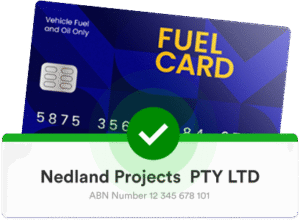
The right fuel card makes a huge difference
I still think fuel cards are one of the smartest tools a business can use. The key is choosing the right one.
The best fuel cards don’t just make paying for fuel cheaper – they make it easier to track spend, review transactions and spot behaviour that doesn’t look right. That’s a lot better than relying on receipts, reimbursements and end-of-month surprises.
And when we’re talking about theft, fraud or simple misuse, better visibility is essential.
Shell Card is one of the best for fuel control
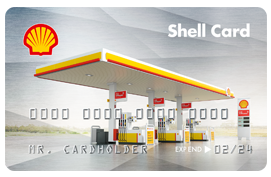
If I’m talking specifically about fuel control, Shell Card is one of the best fuel cards to look at.
What really helps it stand out is Smart Alerts. Shell says businesses can set customised alerts around things like fuel volume and number of transactions, then get notified if those limits are exceeded. Notifications can be viewed in the Shell Card Portal and are also sent by email. There are also recommended fraud alert presets, which is exactly the kind of feature I like to see when control matters.
That means a business can set up alerts for issues that are easy to miss otherwise, like unusually large fills, too many transactions in a short period, or patterns that don’t match how a vehicle should normally be used.
That doesn’t mean Shell Card can stop every problem on its own. But in my view, it gives businesses a much better chance of spotting trouble early.
Save 7c/l + $0 card fees in promo period
WEX Motorpass and FleetCard are still among the best fuel cards
Of course, Shell Card isn’t the only strong option. I’d also put WEX Motorpass and FleetCard in the conversation straight away.
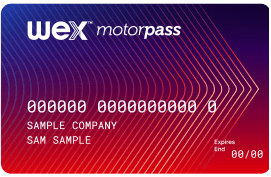
WEX Motorpass is strong because it gives businesses a lot of control over how cards are used. You can assign cards by driver, by vehicle, or by driver and vehicle together. You can add PINs, restrict product categories, and set controls around transaction count, value, litres and usage times. So if someone asks me why WEX belongs in a security-focused article, that’s the answer: it gives businesses practical ways to lock usage down.
$0 card fees
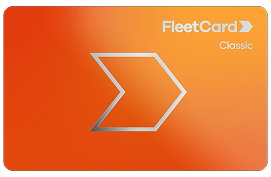
FleetCard is a good recommendation for a different reason. Its exception reporting can help flag the kind of behaviour that often points to misuse, like fills that exceed tank capacity, multiple transactions on the same day, or purchases on unusual days. FleetCard also sends email notifications for suspicious behaviour, which is exactly the sort of visibility I’d want in place.
Save up to 6c per litre on fuel for your business
That’s why I think comparing fuel cards matters. The best card for one business might be the one with the strongest controls. For another, it might be the one with the broadest coverage. For plenty of fleets, it’ll be a mix of both.
Another good security-focused option: BP Plus
If I wanted to widen the shortlist, I’d also mention BP Plus.
BP Plus has a solid security story through its Care Plus setup. BP has PINs, odometer prompts, purchase limits by time, volume or dollars, and reporting tools designed to flag suspicious transactions.
For businesses that want another brand-specific card with stronger controls, that gives BP Plus a fair reason to be in the mix.
So how could the right fuel card have helped in this story?
I think the answer is pretty simple.
The right fuel card setup creates a better transaction trail. It gives a business a clearer record of where fuel was bought, when it was bought and how often a card was being used. That makes odd patterns easier to spot.
And when you’ve got stronger features around monitoring and alerts, there’s a better chance you’ll catch unusual activity before it drags on for months.
That’s why I wouldn’t say this diesel theft story is a reason to avoid fuel cards. I’d say it’s a reason to choose one of the best fuel cards and take fuel controls more seriously.
My take on the best fuel cards for businesses worried about misuse
If I were comparing cards with this kind of story in mind, I’d think about them like this.
| Fuel card | Why I’d compare it |
|---|---|
| Shell Card | One of the best for fuel control thanks to Smart Alerts, portal visibility, fraud presets and a more disciplined approach to monitoring card use. |
| WEX Motorpass | Strong on security because it supports PINs, driver or vehicle-based card assignment, product restrictions, and controls around transaction count, value, litres and usage times. |
| FleetCard | Strong on monitoring because exception reporting can flag over-capacity fills, repeated same-day purchases and other unusual behaviour, with email alerts for suspicious activity. |
| BP Plus | Worth comparing if you want PINs, odometer prompts, purchase limits by time, volume or dollars, and suspicious-transaction monitoring through BP’s Care Plus support. |
That’s really the point of comparison. It’s not just about chasing a discount. It’s about finding the card that gives your business the best mix of control, coverage and visibility.
Final word
This diesel theft case is a reminder that fuel isn’t just another expense. It’s one of the easiest business costs to lose track of if your systems are too loose.
That’s why I think the smart response is to tighten things up, not step back. For businesses that want strong fuel control, Shell Card should be high on the shortlist because Smart Alerts add real value. If broad network access matters most but you still want serious controls, WEX Motorpass and FleetCard are both well worth comparing. And if you want another brand-specific option with a good security setup, BP Plus deserves a look as well.
Either way, the best fuel card is the one that helps you see problems sooner, manage fuel spend better and avoid turning a small issue into a very expensive one.