As we enter 2026, Australia’s fuel card market is shifting fast. The big brands aren’t just competing on cents per litre anymore – they’re also racing to cover the widest network, build EV‑ready infrastructure, and give small‑business owners more control over how they spend.
In my experience working with businesses across tradies, transport fleets, and new startups, the “best” fuel card isn’t the one with the flashiest headline discount but the one that actually fits how your drivers operate day to day.
For this updated guide, we’ve taken another look at the leading Australian options through the lens of real‑world use: coverage, discounts, fees, smart alerts and how easy it is to actually manage your fleet from a single dashboard.
See which fuel card fits your business
Check eligibility
TLDR: Best Fuel Cards at a Glance
- Best overall: Personally, I think Shell Card is the strongest all‑rounder for most small Australian businesses, thanks to its 1,500+ site network, simple fixed discounts and low monthly fees that work well even if you’re only running a handful of vehicles. It’s especially attractive if your team already leans towards Shell and Reddy Express sites and you like the idea of stacking Flybuys rewards on top of your fuel savings.
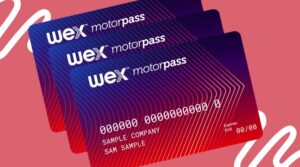
- Best for Tradies: For tradies and small‑fleet operators juggling job‑site runs and paperwork, WEX Motorpass is the most practical day‑to‑day choice, largely because it’s accepted at roughly 93% of fuel stations and links directly into service/repair partners.
- Best for Transport & Logistics: If you’re in transport or logistics and already standardising on one major brand, we generally recommend AmpolCard or BP Card as the best balance of robust diesel savings, across‑country site numbers, and low‑per‑card fees.
- Best for wide acceptance: FleetCard is one of the stronger options if you’re looking for wide acceptance Australia-wide.
Best Fuel Card Overall – Shell Card
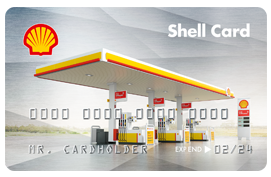
If you want one fuel card that does basically everything – strong coverage, ongoing discounts, decent rewards, and some of the best control features on the market – Shell Card is our pick for best overall fuel card. It’s accepted at 1,500+ Shell, Reddy Express, OTR and Liberty locations across Australia, so most metro and major regional routes are covered without your drivers needing to hunt for a specific site.
Why It’s Great:
-
Strong national footprint with 1,500+ Shell‑branded sites, including many Coles/Reddy‑style convenience locations your team likely already uses.
-
Clear fixed discounts (typically 2c per litre off regular fuel and 4c per litre off premium) that are easy to factor into your budgeting.
-
Low monthly card fees designed with small businesses in mind, plus occasional promos like no card fees for the first six months.
-
Ability to earn Flybuys at Shell Reddy Express, which can be a nice kicker if you or your team already collect points.
-
Strong online controls and reporting, so you can set limits, restrict spend to fuel only, and track usage without drowning in paperwork.
Personally, I think Shell Card works best as an “everyday hero” card for businesses that mostly operate in metro and larger regional areas and want predictable savings rather than chasing the absolute maximum network coverage. If you regularly drive far off the beaten track, you might pair it with a multi‑brand option, but for most SMEs, Shell Card alone will comfortably cover everyday fuel needs while keeping admin simple.
Considerations
Credit terms may start shorter for newer businesses but can improve as your trading history builds. If you primarily run on one brand already and like Flybuys rewards, this is where Shell Card really shines.
Save 7c/l + $0 card fees in promo period
Best Fuel Card for Tradies – WEX Motorpass
For tradies managing small fleets, WEX Motorpass is a flexible option. It’s accepted at roughly 93% of fuel stations nationwide and can also be used at 6,000+ partner locations for servicing, repairs, tyres, and even accommodation.
From watching how tradies actually work, I’ve found WEX Motorpass sits right in the sweet spot: broad enough to cover every suburb, but detailed enough in reporting to justify it as a business‑expensed solution, not just “another card.”
Why It’s Great
-
Easy Access: A great fit for tradies travelling between job sites.
-
Saves Time: Reduces paperwork with clear, detailed expense tracking.
-
Detailed Reporting: Provides itemised reports to manage fleet costs efficiently.
Considerations
WEX Motorpass generally cannot be combined with other loyalty programs, so savings might be limited for businesses heavily invested in Flybuys or Qantas‑linked cards. It’s also has one of the higher monthly card fees on the market, which is worth considering if you’re looking at getting multiple cards.
Save 1c on all fuel
Best Fuel Card for Transport & Logistics – AmpolCard
For time‑sensitive industries like transport and logistics, AmpolCard offers strong discounts on diesel fuel and powerful online tools to manage fleet expenses. It’s accepted at around 1,800 Ampol/EG Ampol locations, including truck stops and Foodary outlets, and typically applies discounts across regular and premium grades.
If we were managing a mid‑sized transport fleet that mostly sticks to one big‑brand network, AmpolCard would be our default shortlist, mainly because it combines wide‑area coverage (including 240+ truck stops) with relatively low per‑card fees and clear digital reporting.
Why It’s Great
-
Exclusive Savings: Competitive cents‑per‑litre discounts on both regular and premium diesel.
-
Online Tracking: Easy‑to‑use dashboard for fuel spend, maintenance, and card‑level limits.
-
No Transaction Fees: Zero fuel transaction fees helps avoid “small‑fee creep” even on high‑volume runs.
Considerations
AmpolCard is limited to Ampol‑branded sites, which can be a drawback in parts of regional Australia with thinner coverage. Personally, I’d test‑run it against a multi‑brand option if your routes cross multiple state borders or Western‑Australia‑style deserts.
200+ Ampol National Truck Stops
Most Widely Accepted Fuel Card – FleetCard
If your business operates across Australia and needs access to multiple fuel stations, FleetCard is a good choice. It’s accepted at 90% of fuel sites nationwide, covering nearly 6,000 multi-branded fuel stations and an additional 6,000 partner sites, including repair centres and dealerships.
Why It’s Great:
- Widespread Access: Perfect for businesses covering large areas, so fuel is always within reach.
- Volume Discounts: Offers cost savings for businesses with bigger fleets.
- Easy Management: Consolidates all expenses into one simple, tax-approved invoice.
- Improved Cash Flow: Up to 51 days interest-free credit to help manage your cash flow.
- Extra Savings: Access discounts on repairs, parts, and even fuel promotions at Shell and Coles Express sites.
If you’re transitioning to electric or hybrid vehicles, FleetCard now offers FleetCard +Electric. This all‑in‑one card works at over 90% of fuel sites and gives access to more than 2,000 EV charging stations through Chargefox—helping you manage fuel and EV expenses in a single invoice. In our experience, this is where FleetCard really pulls ahead for forward‑looking small‑business fleets.
Considerations
Newer businesses (under 12 months) may face stricter credit checks, and the best‑case cents‑per‑litre discounts only stack up if you’re moving serious volume. I’d see FleetCard as a better fit for established or growth‑stage operations that travel widely.
Save up to 6c per litre on fuel for your business
BONUS: Credit Cards with Fuel Benefits
It’s easy to assume a corporate rewards credit card is “the smarter option,” but from my experience comparing both, fuel cards usually win on control and reporting, while credit cards win on convenience and broader rewards.
| Credit Cards | Fuel Cards |
|---|---|
| Allow your drivers to carry only one card for all their business expenses | Specifically designed for purchasing fuel for a fleet, rather than a credit card designed for entertainment purchases |
| The card will be accepted almost everywhere | Offer better fuel spending controls |
| Credit cards can offer rebates for a wide variety of expenses | Often provides reports with helpful data, such as fuel type, cost per unit, vehicle data, etc |
| If you use a credit card that offers frequent flyer miles, you can use those miles to cover your holidays, or offer trips as incentives for your team | Can provide information such as cost per km, km per litre. This information helps you to better manage fleet expenses |
| Can offer additional features such as travel insurance and interest-free periods | Fleet fuel costs are kept separate rather than lumped together with other expense data |
| Corporate card programs can be susceptible to fraud and cloning than fleet fuel cards, which used closed merchant networks | Fuel card offers you more control and allows you to impose spending limits |
Fuel Card Benefits for Small Businesses in Australia
Fuel cards are a game-changer for small businesses, saving time and money while simplifying fleet management. Here’s how:
- Save on Fuel: Access pump discounts and bulk savings—especially helpful for businesses with larger fleets. Plus, detailed reporting can help identify areas to reduce fuel usage.
- Simplify Expense Management: Say goodbye to piles of receipts. Fuel cards provide clear, digital statements for easy budgeting and tax reporting.
- Cut Admin Costs: Automated reporting reduces paperwork and human errors, freeing up time for other tasks.
- Boost Security: With PIN protection and transaction monitoring, you can track purchases and prevent misuse.
- Convenience for Everyone: Employees don’t need to pay out of pocket or wait for reimbursements. Fuel cards keep things simple and streamlined.
In short, I tend to see credit cards as better for one‑person businesses or side‑driving, and dedicated fuel cards as the better long‑term play once you start adding multiple drivers and regular routes.
Here’s How to Choose the Right Fuel Card
- Coverage: Check that the fuel card works at stations your team uses regularly. Multi-brand cards offer more flexibility, while single-brand cards often come with better discounts.
- Rewards: Look for cards offering perks that align with your needs—like fuel discounts or loyalty points.
- Security and smart alerts: Opt for cards with PIN protection and transaction monitoring to reduce the risk of misuse.
- Fees: Compare monthly fees, transaction charges, and hidden costs to get the best value.
- Fleet Size: Some cards are tailored for small businesses, while others work better for larger operations with many drivers.
- Interest-Free Periods: Longer interest-free terms (up to 51 days) can help improve cash flow.
Find the Best Fuel Card for Your Business
The right fuel card can help you save money, simplify expense management, and support your fleet, whether you’re running petrol vehicles, hybrids, or transitioning to electric. Across Sydney, Melbourne, and regional hubs, I’ve found that the strongest fit usually comes down to three questions:
-
Where do your vehicles actually refuel?
-
How many drivers or vehicles are you managing?
-
Do you care more about rewards, maximum network size, savings or control features?
I think for most small‑to‑medium Australian businesses spread across multiple brands and locations, starting with a Shell Card is a safe bet. With solid ongoing discounts and the best controls, reporting and online dashboard on the market, it’ll work for most businesses, from SMEs to larger fleets.
At the end of the day, take a close look at your own patterns, read the fine print, and then plug your likely monthly litres into the example savings so you aren’t swayed by glossy marketing alone.
See which fuel card fits your business
Check eligibility